Child Play Therapy
Tessa Fultz, LICSW and Alexis Owings, LPCC, PRPT, both are trained to provide play therapy techniques for children. They both strive to provide practical, concrete strategies for parents and children to overcome barriers, behaviors and reach their goals to living healthier, happier lives with tools and strategies that work.
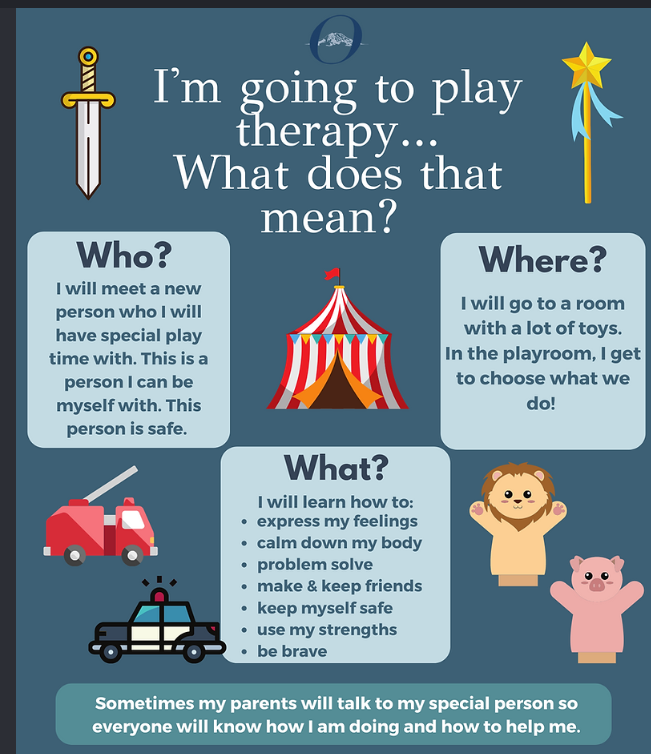
Children ages 0-12 years old typically will engage in an integration of play, talk, & expressive arts for therapy. Children typically are all developing emotionally, physically & spiritually at different rates even at the same age. Therefore, therapist meet with the parent and child the first session for the diagnostic assessment or intake evaluation. Then, the parent & therapist or child & therapist create a treatment plan.
For teens ages 16 and older, they are able to give their own consent for therapy. Only one parent needs to consent for therapy under 16, but both are recommended to be apart of check-ins and treatment.
Examples of Therapy Interventions for Kids & Teens:
- We have an art table
-worry journal or gratitude journaling
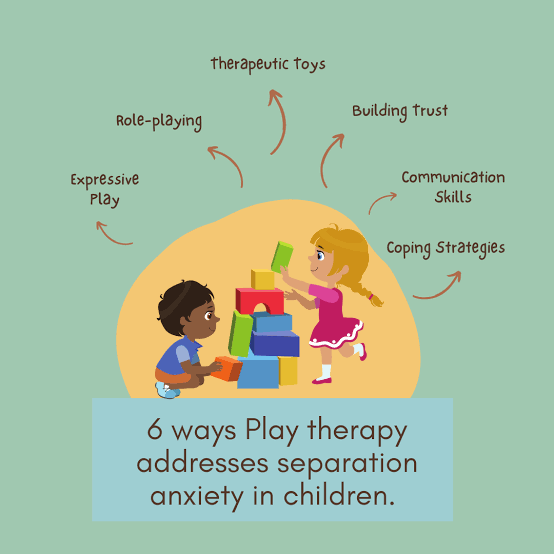
-play therapy techniques with sand tray or toys
-narrative therapy or playing out their story
-interactive online games for therapy emotions and coping strategies making it fun and educational or emotion board games or card games to prompt discussion and education
-using music or art or yoga as expressive therapy and/or dicussing the emotions or relation to themselves
-walking and talking therapy outside (if insurance or private pay allows) We have a nice outside area with tables or a lake path.
-Identifying strengths in talk or writing to increase self-esteem and confidence
-confidence building games & activities
Sand tray therapy provides a tactile, sensory experience that allows children to create and explore their inner worlds using miniature figures. This non-verbal approach is particularly effective for processing trauma and anxiety by offering children a sense of control and mastery over their environment.
Reflective practice in play therapy involves regular self-evaluation of therapeutic techniques, analyzing personal reactions during sessions, and seeking feedback from supervisors and peers. This process leads to improved self-awareness and enhanced therapeutic outcomes through continuous learning and adaptation.
Psychodynamic play therapy views play as a window into the child's unconscious mind, focusing on interpreting symbolic meaning and exploring past experiences. This approach emphasizes understanding unconscious conflicts and anxieties through play while utilizing transference and countertransference in the therapeutic process.
-It is required at LWC to meet with parents/caregivers as often as needed, minimum once every 4 weeks to check in and work on building the parent-child relationship aspects depending on the treatment plan.
Healthline Article on the Benefits of Play Therapy